





Duress and undue influence

|
In law, a contract can be rendered null and void if one of the parties was not a free agent when they entered into it. This can occur if duress or undue influence was exerted on them when the contract was drawn up. It is then up to them to nullify the contract if they so wish.
A party to a contract may be coerced by:
- Violence.
- Threats of violence.
- Threats of criminal proceedings (even if this was just an empty threat).
- Having property seized.
- Similar threats applied to someone who is close enough to the party to the contract to make them feel the threat is to themselves. An example might be a threat to a next of kin or close friend which forces a party to sign a contract.
A contract is also voidable if one of the parties was influenced or guided by the other party, as may occur in parent/child, doctor/patient, trustee/beneficiary etc relationships. Where contracts have in such cases been entered into, the presumption is of undue influence by the stronger party on the weaker party who can therefore (and at their discretion) render the contract null and void. However, this can be refuted if it is established that the weaker party received independent legal advice before entering into the contract. The presumption of undue influence does not apply to husband/wife contracts.
[edit] Related articles on Designing Buildings Wiki
Featured articles
Check out some of the best features and news from Designing Buildings as well as key stories from around the web.
Connecting knowledge, technology and conservation
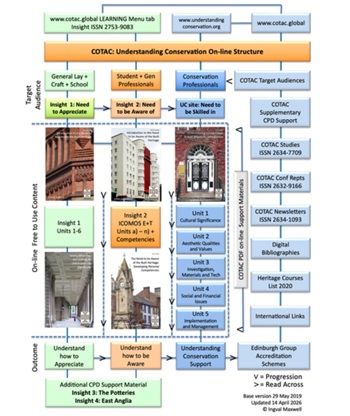
Building competence for the future of built heritage.
Building Regulations and Building Safety Act
CIOB publishes free advice for non-domestic clients.
Building Safety Newsletter from MHCLG.
An extraordinary record of steel engineering worldwide.

Households living near new pylons to save on bills.

ECA warns growth must not outpace grid capacity or skills.
The role of the client and decision making

CIOB response to built environment professions call for evidence.
Construction's sustainability reporting revolution
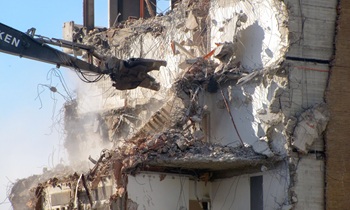
Tracking upfront embodied carbon with digital tools.
ECA welcomes procurement reforms

Public spending must back British jobs and skills.
Campaigning for Edinburgh: the Cockburn Association 1875-2049
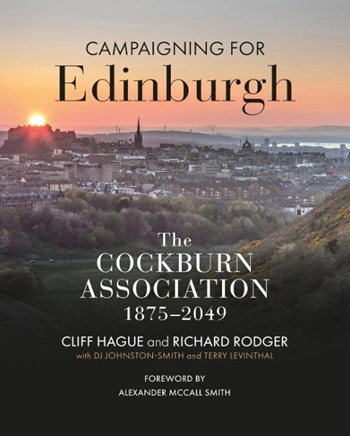
The role of the civic voice in protecting character. Book review.

CIOB photography competition is open for entries.
ECA Edmundson apprentice of the year award
Finalists announced.